
Osteopathy at The Health Lodge
Hands-on, whole-body treatment for pain, injury, concussion and movement, delivered by registered osteopaths working alongside our integrative medical team.
Our Specialists
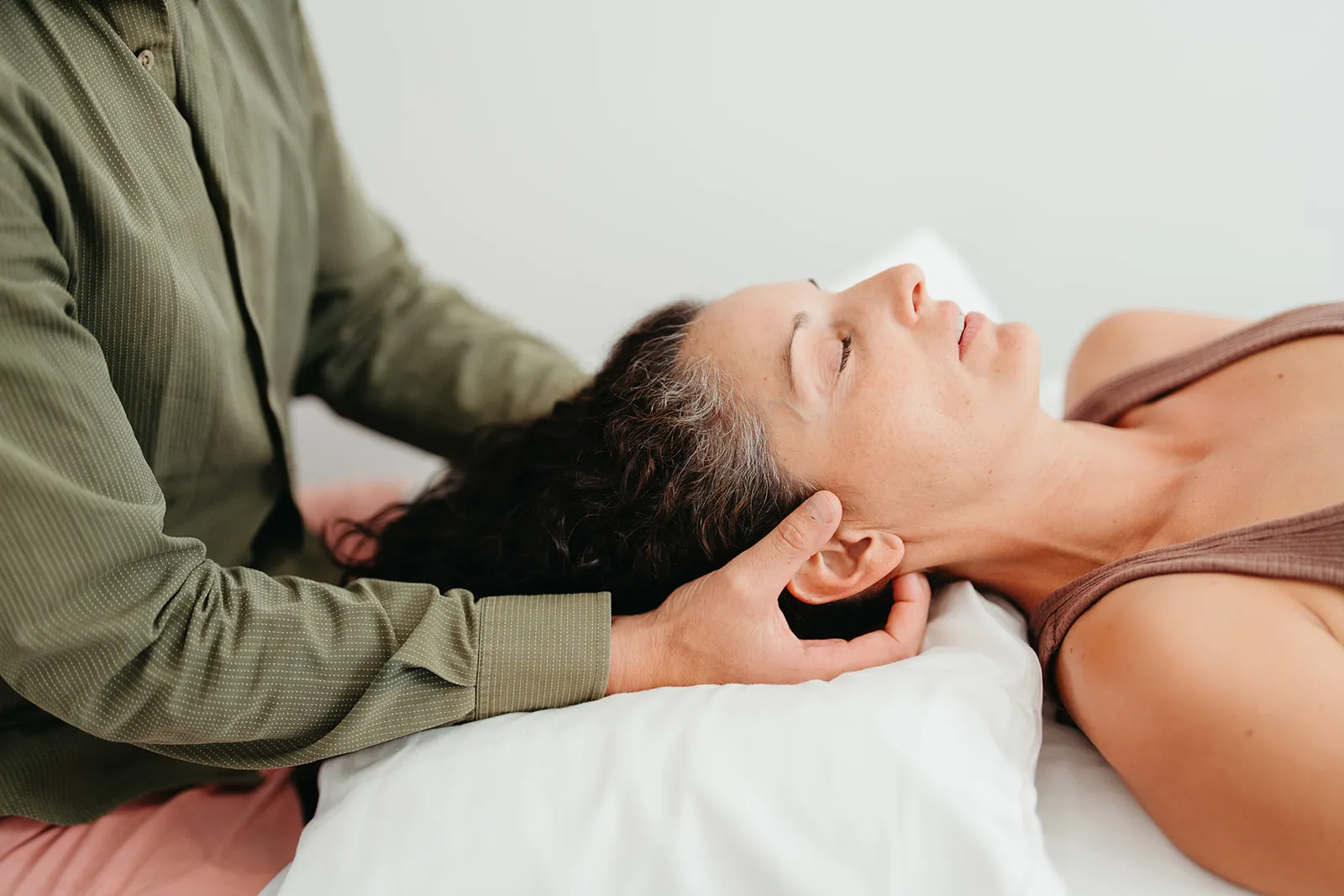
An osteopath is a registered manual therapist trained to assess and treat how your muscles, joints, nerves and connective tissue work together. Using hands-on techniques such as soft tissue massage, joint mobilisation, stretching and gentle manipulation, our osteopaths aim to ease pain, restore movement and support your body's own capacity to recover, often alongside tailored exercise and lifestyle advice.
Common questions
Yes, when performed by a registered practitioner after a thorough assessment. Mild soreness for a day or two afterwards is common and expected.
Yes, when performed by a registered practitioner after a thorough assessment. Mild soreness for a day or two afterwards is common and expected.
Both use hands-on care, but osteopathy takes a whole- body approach combining soft tissue work, mobilisation and rehab. Your osteopath will advise if another discipline suits you better.
When pain lingers beyond a few days, keeps returning, or limits lifting, sitting or sleeping. Earlier assessment usually means a simpler treatment path.
Conditions we help with
From acute flare-ups to long-standing lower back pain, treatment focuses on easing pain and restoring movement.
Stiffness, tension and reduced range of motion often linked to posture, stress or old injury.
Gentle, joint-friendly techniques to support mobility and manage discomfort around affected joints.
Nerve-related leg pain, tingling or numbness traced back to the lower back and pelvis.
Targeted treatment to relieve pressure on affected nerves and reduce referred pain.
Hands-on treatment for jaw tension, clicking and tightness, often linked to clenching, grinding or neck posture.
Injury & sport
Whether it's a fresh sprain, a nagging overuse injury or a concussion that's kept you off the field, our osteopaths build a plan around your sport and your timeline. Treatment is combined with load management, mobility work and a graded return-to-activity program.
Our team includes specific expertise in concussion recovery and neurological rehabilitation, plus a strength & conditioning background, useful whether you're returning to weekend sport or elite competition.
Pregnancy Care
Many people see an osteopath while pregnant to ease the aches that come with a changing centre of gravity, shifting posture and loosening ligaments, lower back pain, pelvic discomfort, rib pain and sciatica. Treatment is gentle and adapted at every stage, with positioning modified as your pregnancy progresses.
Beyond easing day-to-day aches, treatment can help prepare your body for labour and birth by supporting pelvic alignment and balance, easing tension through the hips and lower back, and helping your body move more freely as it prepares for delivery. Many people also return for osteopathy after birth to support recovery.
Is osteo safe while pregnant? For most people, yes, when delivered by a practitioner experienced in pregnancy care. Let your osteopath and your GP or obstetrician know you're pregnant, including your stage, before your first session, so treatment can be tailored appropriately.
Before you book
Initial consultations run longer, allowing time for a full history and assessment. Follow-ups are shorter and more focused.
Your osteopath explains what they find before treating. Techniques may include soft tissue work, stretching, mobilisation and gentle manipulation.
Mild soreness or tiredness for 24–48 hours is common and usually settles on its own. Contact the clinic if pain feels severe or unusual.
Most people benefit from a short course of visits alongside a home program. Your osteopath will map out a plan at your first session.
Book a consultation with one of our osteopaths, part of The Health Lodge's integrative medical team.